


Scientists Want to Pay Someone $19,000 to Lie Down For Two Months
All that lying down on the job will help increase our understanding of weightlessness.
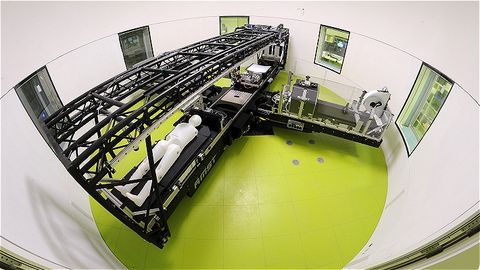
Germany's space research program, the German Aerospace Center (known as the DLR), is looking for a woman with the right stuff to stay in bed for 60 days to study weightlessness.
Commissioned by NASA and the European Space Agency, the study will simulate weightlessness with sleep. Using what's been deemed a "short-arm human centrifuge," scientists hope to test two-thirds of study participants in the best ways to counteract the negative effects of zero-gravity.
It's not natural for people to be in space. Human bodies are used to gravity holding bodies together, and without it things start to slip out place. The most severe of these negative effects include the deterioration of weight-bearing bones and muscles. But they also include, as the DLR notes, cardiovascular weakness, dizziness, stuffy heads, puffy faces, motion sickness, inner ear disturbances, compromised immune systems and back pain.
"The human centrifuge will also make it possible to determine which methods best counter these effects," says the DLR's website. "Does body position affect health? Which kinds of exercises are best? Bicycling? Jumps and squats? The answers will make for healthier space travel." They're answers that they hope to glean from this study.

No comments:
Post a Comment